Reflections on the Engagement Between the World Carnival Commission, the National Federation of Masqueraders and Fancy Dress of Ghana, and the Office of Diaspora Affairs at the Presidency 31st March 2026 Throughout...
Reflections on the Engagement Between the World Carnival Commission, the National Federation of Masqueraders and Fancy Dress of Ghana, and the Office of Diaspora Affairs at the Presidency
31st March 2026
Throughout history, culture has served as one of humanity's most enduring instruments of connection. Long after borders have shifted and generations have passed, cultural memory continues to unite people through shared heritage, collective identity, and common historical experiences.
For Ghana, this reality carries profound significance.
As the first sub-Saharan African nation to attain independence and one of the principal gateways through which millions of Africans were dispersed across the world during the trans-Atlantic slave trade, Ghana occupies a unique place within the consciousness of the global African family. Over the years, the nation has evolved into more than a heritage destination; it has become a symbolic home for people of African descent seeking reconnection, belonging, and a deeper understanding of their ancestral origins.
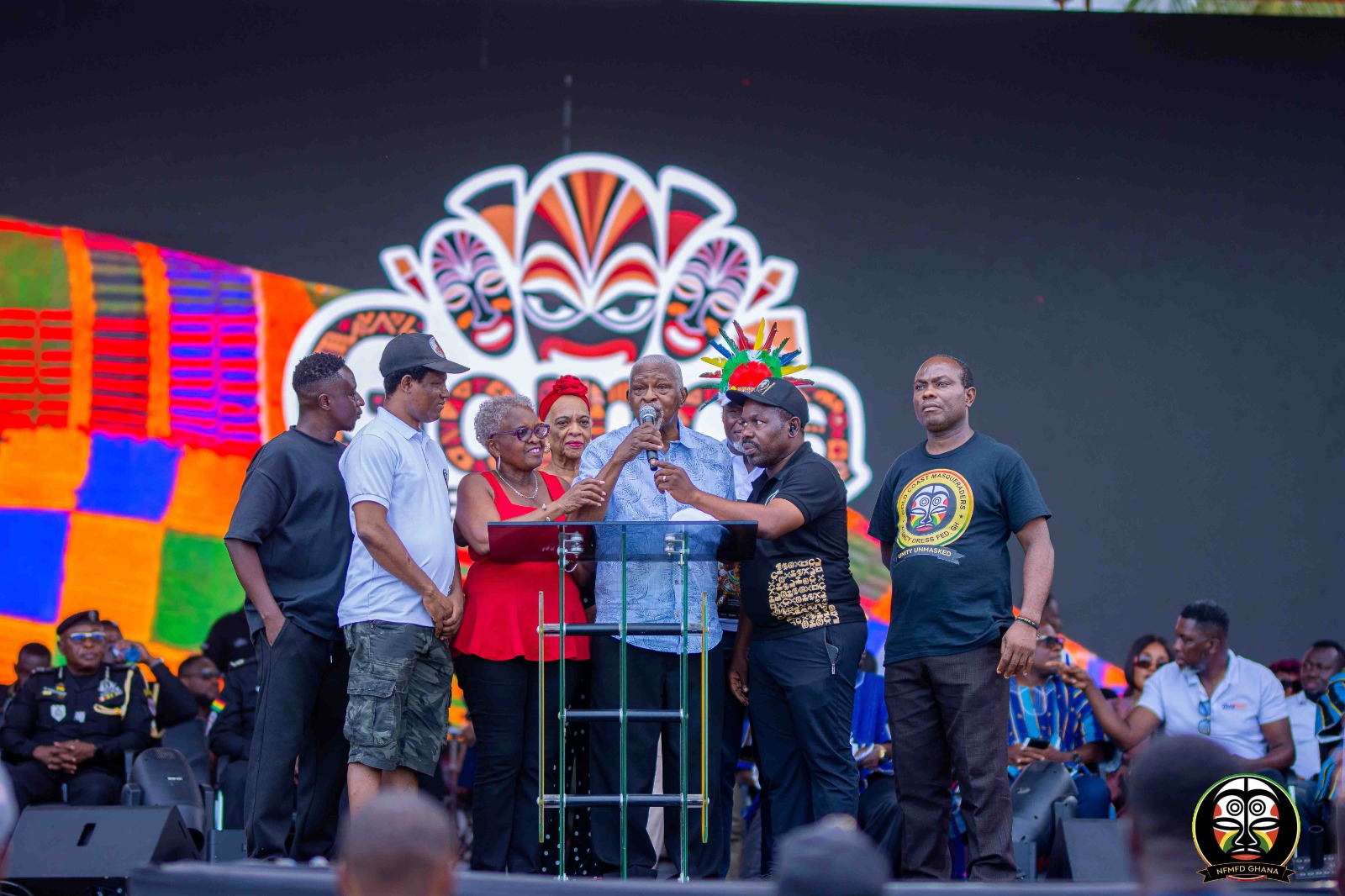
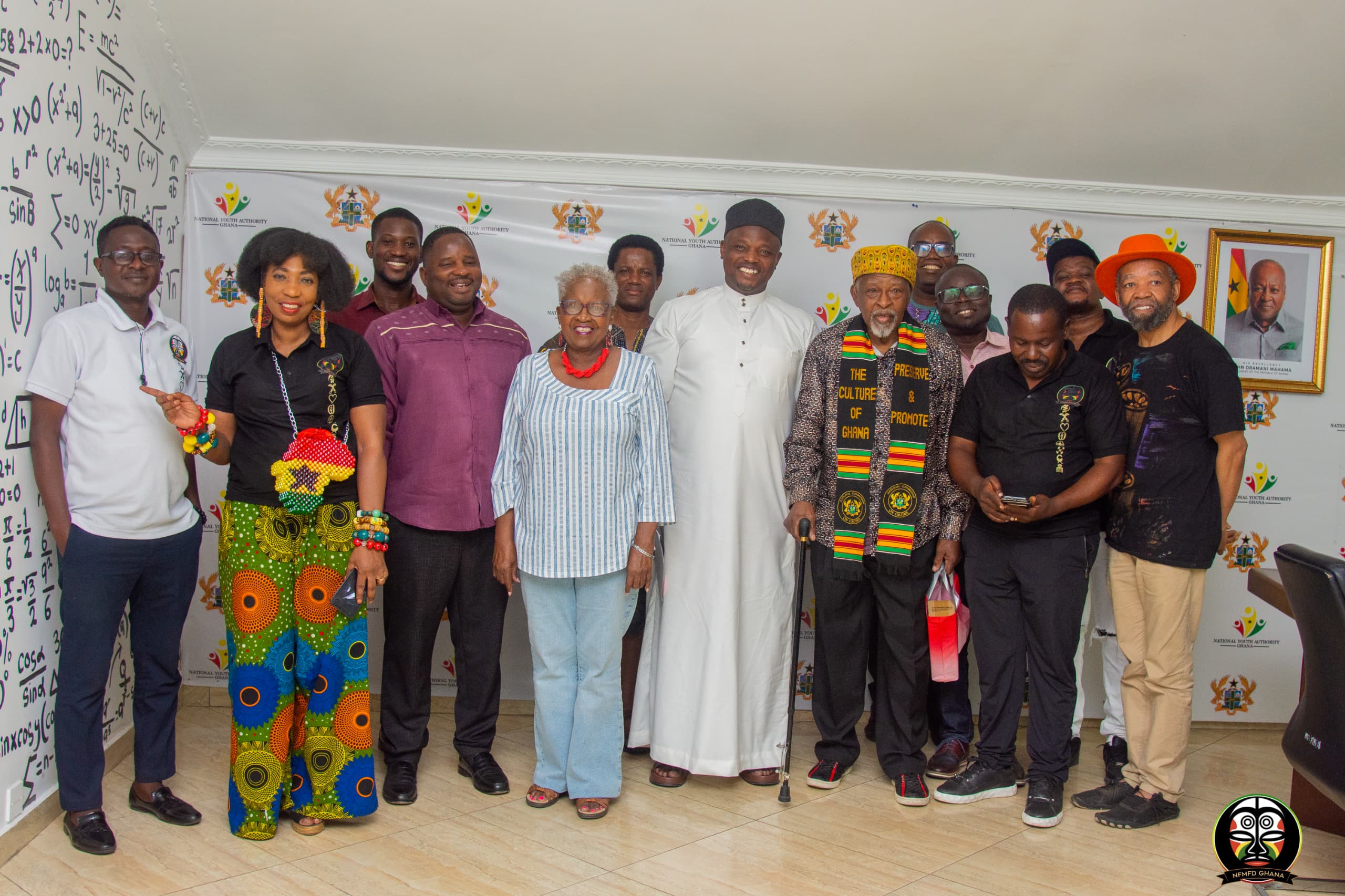
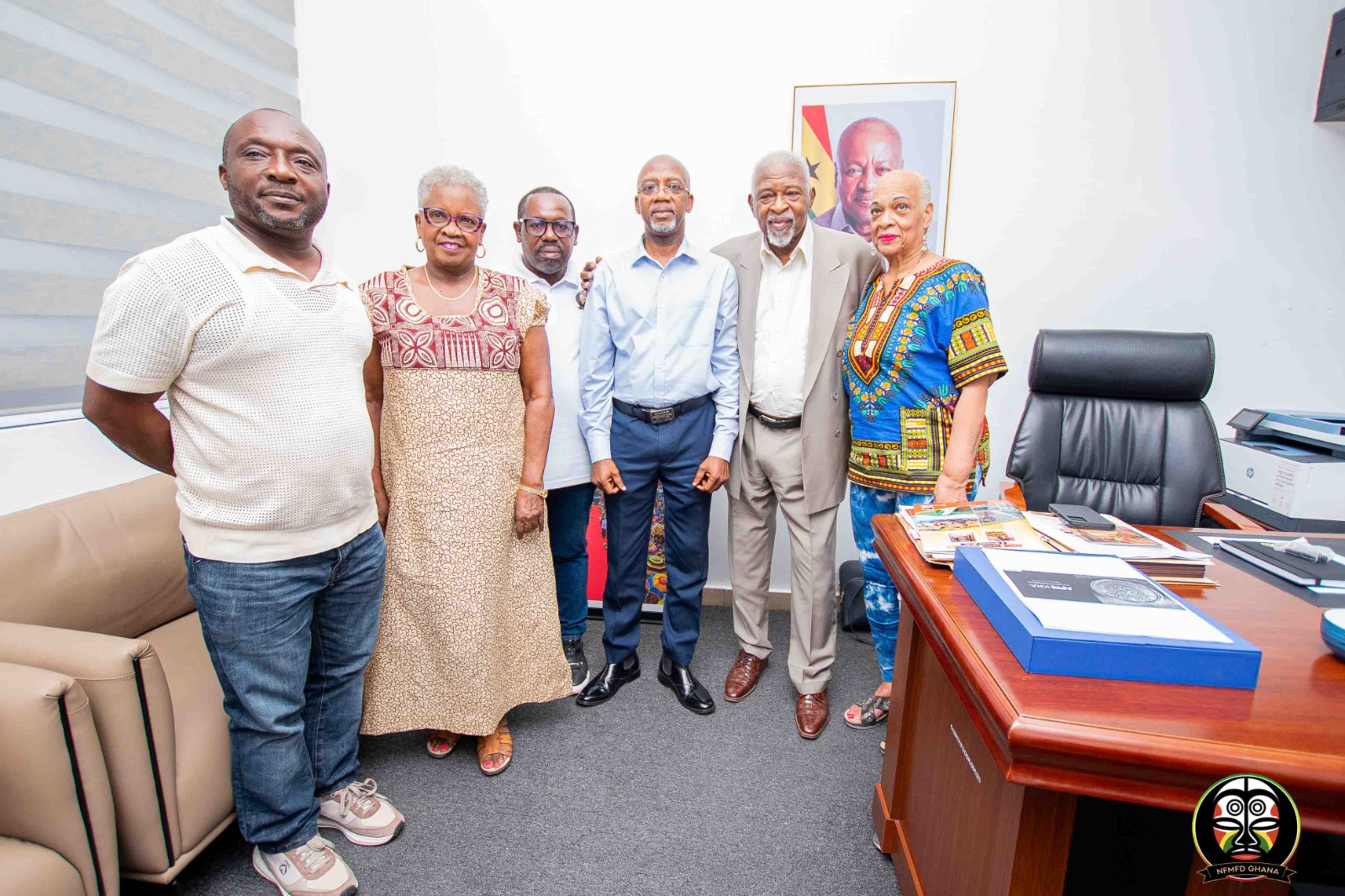
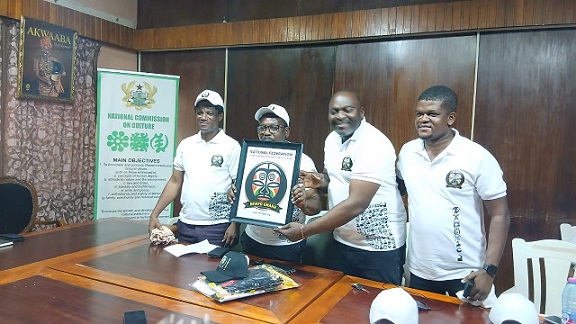
It was within this broader context of Pan-African engagement, heritage reconnection, and cultural diplomacy that the World Carnival Commission (WCC) and the National Federation of Masqueraders and Fancy Dress of Ghana (NFMFD-GH) engaged the Office of Diaspora Affairs at the Presidency in discussions focused on the role of culture, carnival, and heritage experiences in strengthening relationships between Ghana and the global African diaspora.
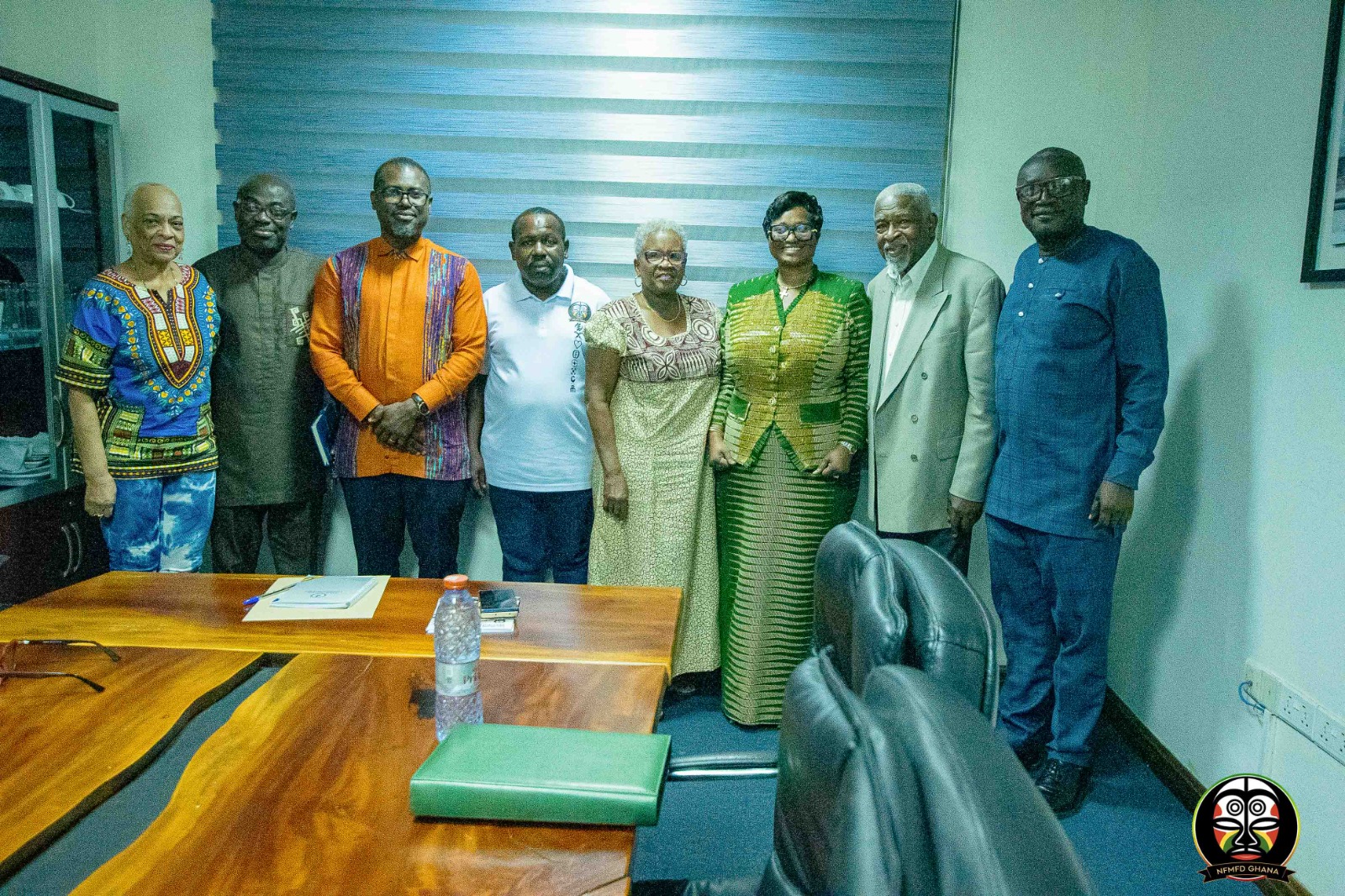
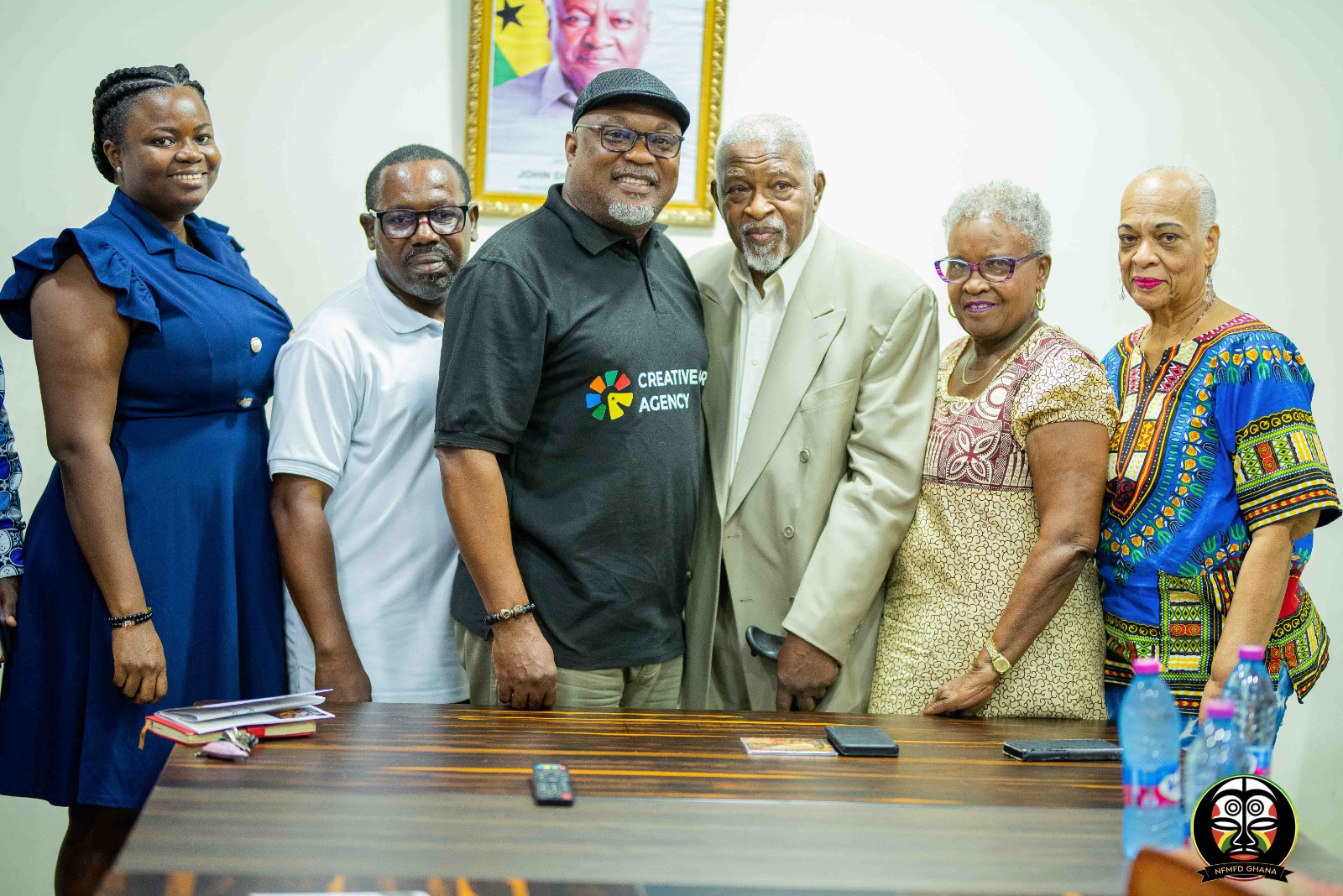
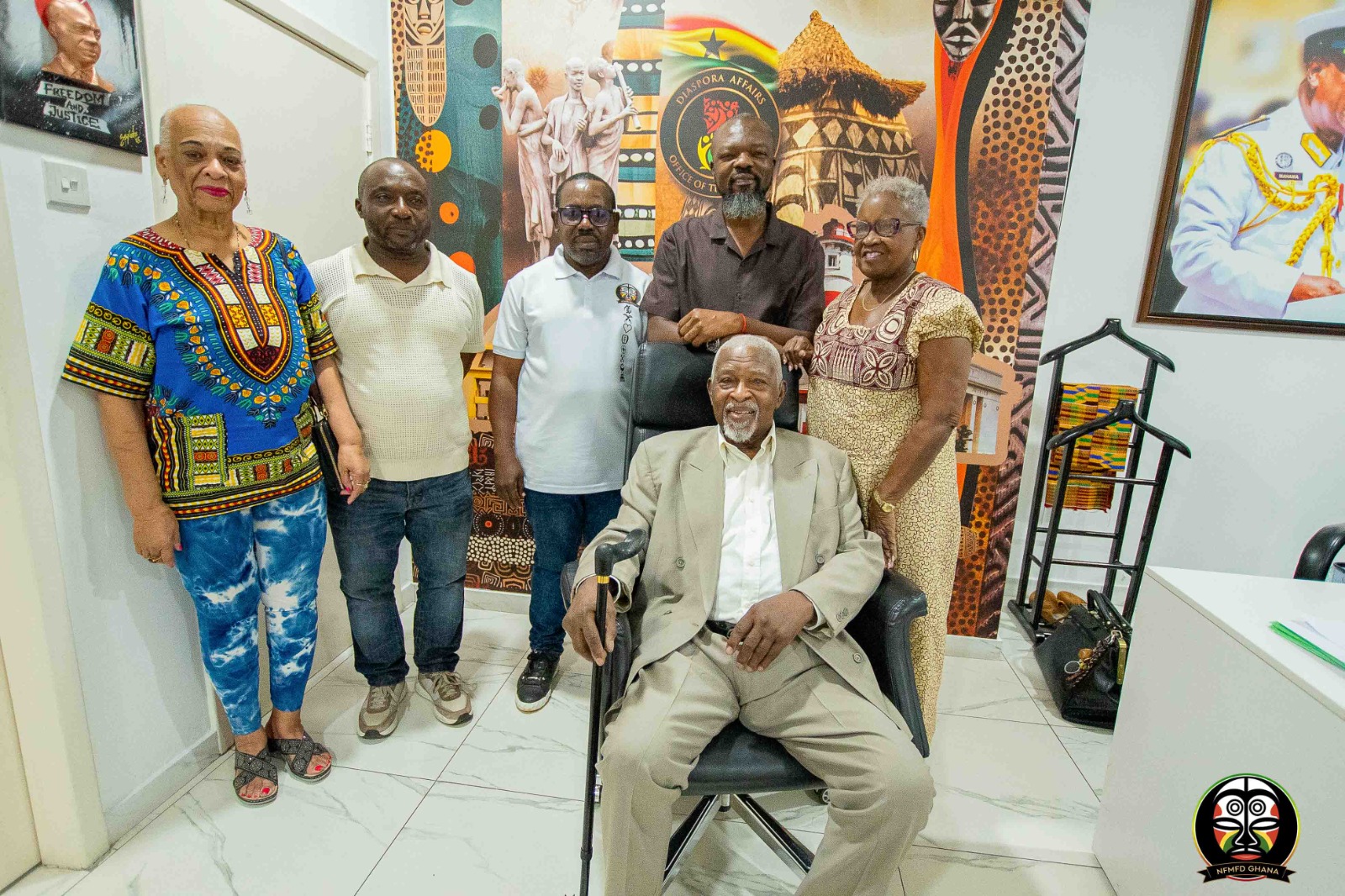
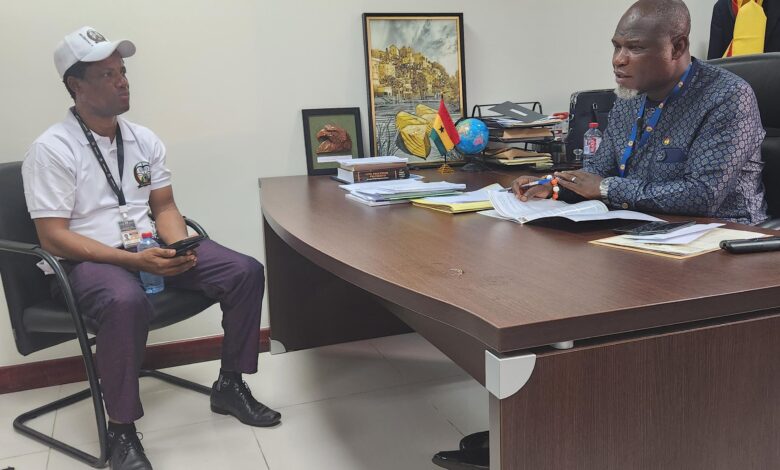
Led by Mr. Henry Lewis Antoine, President of the World Carnival Commission, together with Mr. Pax Nindi, Chief Executive Officer of the Commission, and Ms. Jemma Jordan, the delegation met with officials of the Office of Diaspora Affairs under the leadership of its Director, Mr. Kofi Okyere Darko (KOD). The engagement reflected a shared commitment to exploring innovative pathways through which culture can continue to serve as a bridge connecting Ghana with Africans and people of African descent across the world.
Discussions centered on the growing role of cultural experiences in fostering meaningful engagement between Africa and its diaspora communities. Participants acknowledged that while economic and political partnerships remain important, cultural connections often provide the strongest foundation for long-term relationships because they speak directly to identity, memory, belonging, and shared historical experiences.
The delegation highlighted the historical significance of carnival traditions across the Caribbean, North America, Latin America, Europe, and Africa, noting that many of these traditions emerged from the enduring efforts of African-descended communities to preserve aspects of their cultural identity despite centuries of displacement and separation from their ancestral homeland.
Within this context, participants explored the potential of carnival as a contemporary instrument of cultural diplomacy capable of reconnecting members of the African diaspora with the continent through shared experiences rooted in history, creativity, performance, and heritage.
Mr. Kofi Okyere Darko welcomed the engagement and reiterated the importance of strengthening relationships between Ghana and the global African family through initiatives that promote cultural understanding, heritage appreciation, and people-to-people connections. He noted that Ghana's continued leadership in diaspora engagement presents opportunities to develop innovative cultural platforms capable of deepening these relationships while enhancing the country's role as a centre for Pan-African engagement.
Particular attention was given to the proposed Black Star Carnival and its potential contribution to diaspora engagement efforts. Discussions explored how such an initiative could evolve into a major cultural gathering that brings together Africans on the continent and across the diaspora through shared celebrations of heritage, identity, creativity, and cultural pride.
The delegation further emphasized that Ghana possesses unique cultural assets capable of supporting such a vision, including its rich festival traditions, masquerade heritage, traditional institutions, historical landmarks, artistic diversity, and internationally recognized commitment to Pan-African ideals.
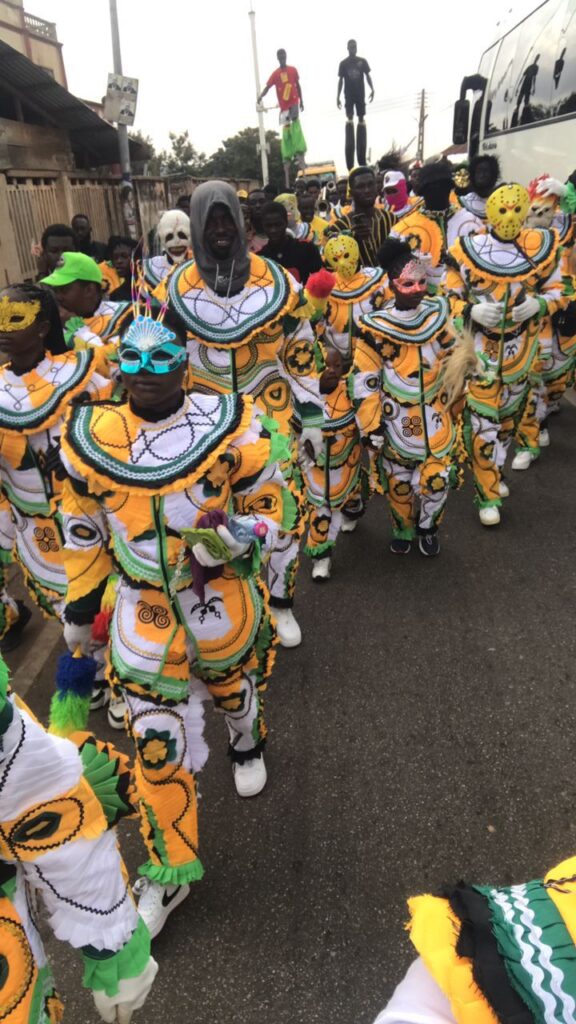
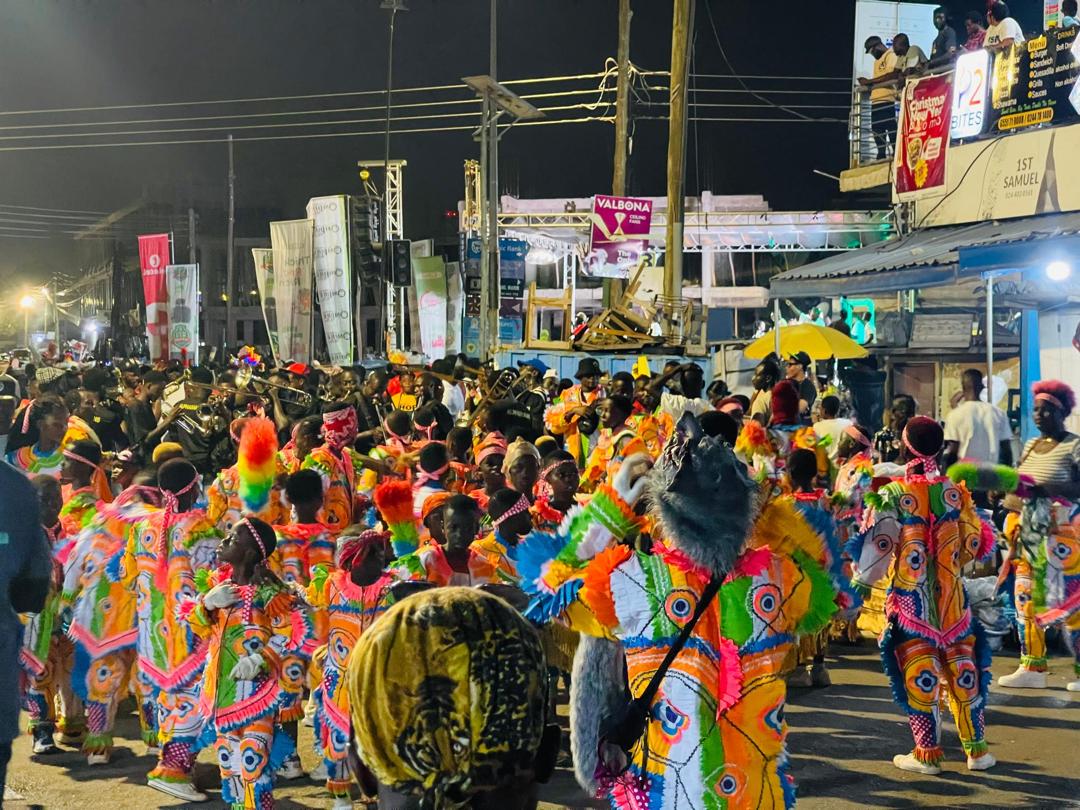
The National Federation of Masqueraders and Fancy Dress of Ghana highlighted the importance of masquerade traditions as living expressions of cultural memory and identity. The Federation noted that these traditions embody centuries of artistic innovation, community values, symbolism, and historical continuity, making them powerful vehicles for cultural education and international engagement.
The discussions also identified opportunities for collaboration between diaspora organizations, cultural institutions, traditional authorities, educational bodies, and international partners in developing programmes that foster cultural exchange, heritage preservation, and global African solidarity.
A key outcome of the engagement was the collective recognition that culture remains one of the most effective tools for reconnecting communities separated by geography but united by history. Participants agreed that meaningful cultural engagement can strengthen relationships, promote mutual understanding, and inspire future generations to embrace their shared heritage.
The engagement therefore represented more than a diplomatic courtesy call. It reflected a broader commitment to strengthening the bonds between Ghana and the global African diaspora through culture, heritage, and creative expression.
As Ghana continues to expand its role as a leading centre for diaspora engagement, partnerships such as this provide important opportunities to build bridges across continents, celebrate shared histories, and advance a vision of unity rooted in culture and common identity.
Ultimately, the discussions reaffirmed a powerful reality: while oceans may have separated generations of Africans and their descendants, culture remains one of the strongest forces capable of bringing them together once again.
5,545 views

900 views

737 views
568 views
539 views